
Verbal Memory Test
Verbal Memory Test
Tap SEEN or NEW for each word.
Instant Play • No Downloads • Free on Web
Enjoying Free Tiny Games?
Share with friends & challenge them to beat your high score! Zero downloads, 100% free fun.
About Verbal Memory Test
Verbal memory here is tested by recognition rather than recall — you are not asked to reproduce anything, only to say whether a word has appeared before. That sounds easier and gets hard quickly, because the pool of seen words grows with every answer while your ability to keep track of it does not. It measures the capacity and durability of verbal recognition memory under steadily increasing load.
How to Play
Tap SEEN or NEW for each word.
Click SEEN or NEW for each word.
Objective & Winning Rules
Build the longest streak of correct judgements you can.
Verbal Memory Test Rules
One word is shown at a time. You answer whether it has already appeared during this run.
Words are drawn from a pool. Early on, most are new. Once enough words have been seen, the test starts favouring repeats, so the load shifts from noticing novelty to remembering an ever-growing list.
Every correct answer extends your streak by one. Every wrong answer costs one of three lives. When the third goes, the test ends and your score is your streak at that point. A word counts as seen from the moment it is displayed, whether or not you answered correctly about it.
Verbal Memory Test Strategy
Answer on familiarity, not on searching
Recognition memory produces a fast feeling of familiarity that is far more reliable than deliberately scanning a mental list. If the word feels known, it usually is. Players who slow down to check systematically tend to score worse, because the list becomes unsearchable long before the familiarity signal stops working.
Notice the words that stand out
Unusual, concrete or vivid words are much easier to place than bland ones. When an odd word appears, it is worth a moment's deliberate attention because you will almost certainly meet it again and it will be one of the ones you can answer with confidence.
Do not second-guess a strong signal
The most common way a long streak ends is overthinking — a word feels familiar, you talk yourself out of it, and you are wrong. Familiarity is precisely what this test measures, and it is a more reliable signal than any reasoning layered on top of it. If your first reaction is clear, act on it and move on; save deliberation for the genuinely ambiguous words, which are rarer than they feel.
Keep a steady pace
There is no clock, but long pauses hurt rather than help. Deliberation invites doubt, and the words you have seen do not become more retrievable the longer you stare. A rhythm of a second or two per word keeps the familiarity judgement working in the mode it is best at.
Expect the difficulty to change shape
Early on the task is spotting repeats among mostly new words. Later it inverts: almost everything is familiar and the difficulty is spotting genuine novelty. Knowing the switch is coming stops it from feeling like your memory suddenly failed around word forty.
Game Features
Pro Gameplay Tips
Verbal Memory Test — Frequently Asked Questions
What is a good verbal memory score?
Most people reach a streak somewhere between thirty and sixty. Past about seventy the pool of seen words is large enough that sustained accuracy is genuinely impressive.
Is this recall or recognition?
Recognition. You never have to produce a word from memory, only judge whether you have encountered it. Recognition memory is considerably more durable than recall, which is why streaks get as long as they do.
Why does it get harder?
Because the list of seen words grows with every answer while your capacity to track it does not. The test also starts favouring repeats once enough words are in play, which shifts the burden from spotting novelty to remembering.
How many mistakes can I make?
Three. Your score is your streak when the third life goes, so an early mistake costs you very little while a late one ends a long run outright. That asymmetry is worth keeping in mind: it is worth answering quickly and accepting the odd error early on, and worth being slightly more careful once a streak is genuinely worth protecting.
Should I answer quickly or carefully?
Quickly. Familiarity is a fast signal and it degrades under deliberation. Most long streaks end because someone talked themselves out of a correct instinct.
Does a word count as seen if I got it wrong?
Yes. Any word that has been displayed counts as seen from then on, regardless of how you answered it.
Game Specifications
Enjoying Free Tiny Games?
Share with friends & challenge them to beat your high score! Zero downloads, 100% free fun.
More Skill & Similar Games
Handpicked tiny games you might enjoy next.
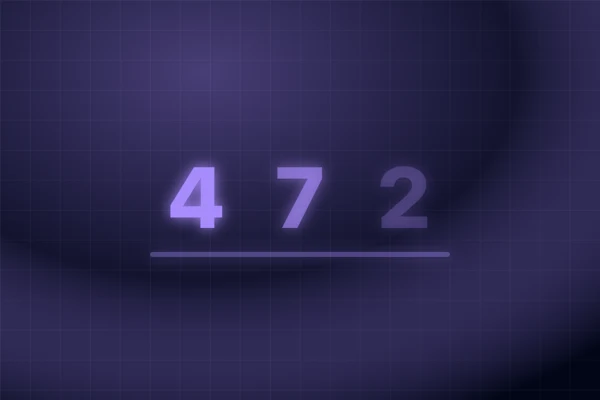
Number Memory Test
How many digits can you hold at once?
A number appears, then disappears. Type it back. Each correct answer adds a digit — find out how far you get.
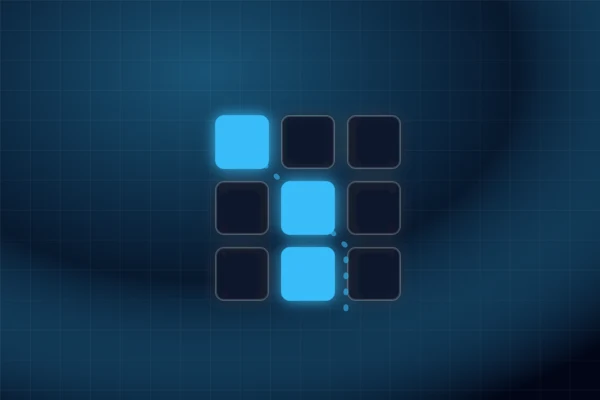
Sequence Memory Test
Repeat the pattern, one tile longer each time.
Tiles light up in order. Repeat the sequence back. Every success adds another tile — see how long a chain you can hold.
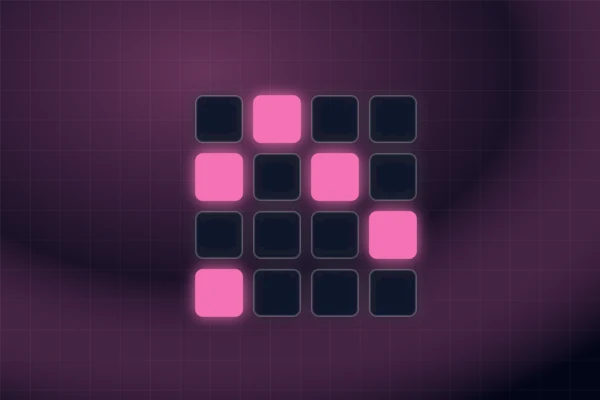
Visual Memory Test
Remember which squares lit up.
A pattern of squares flashes, then vanishes. Click them all back. The grid grows as you go — three mistakes and it ends.
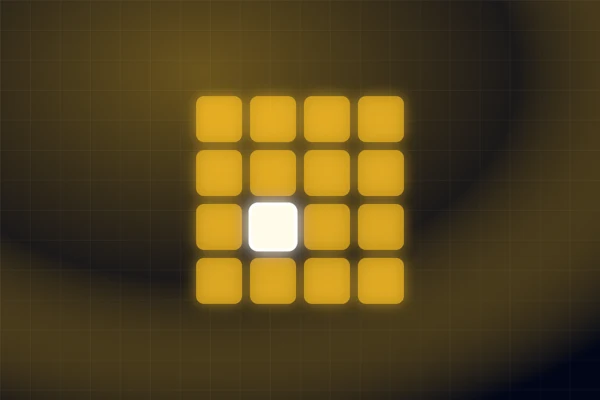
Colour Vision Test
Spot the square that is a slightly different shade.
One square in the grid is a fraction lighter than the rest. Find it. The difference shrinks and the grid grows as you climb.